AXEAN: Building Bridges for Southeast Asian Music

AXEAN Festival is creating new pathways for Southeast Asian artists through music, networking and international collaboration.

©AXEAN 2025

When an artist wants to cross a border, talent is only the beginning. Finding the right promoter, festival programmer, label, agent or media partner can be just as important, and often much harder. Across Southeast Asia, music industries have largely developed around their own audiences and professional networks. For artists looking beyond their home markets, opportunities can therefore depend as much on who they know as on what they create.

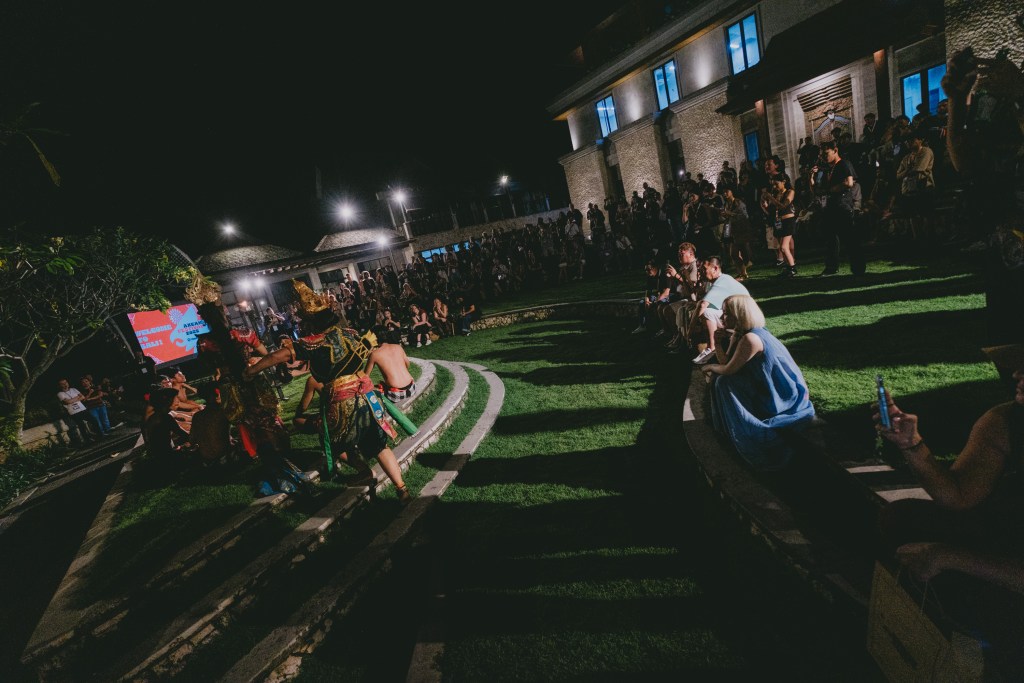
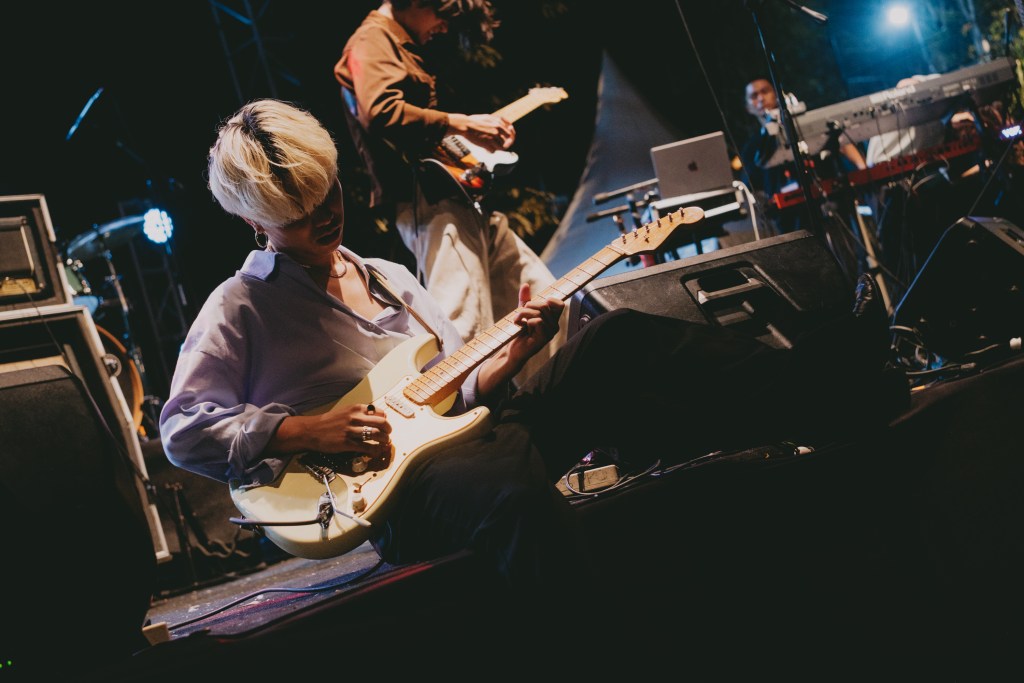
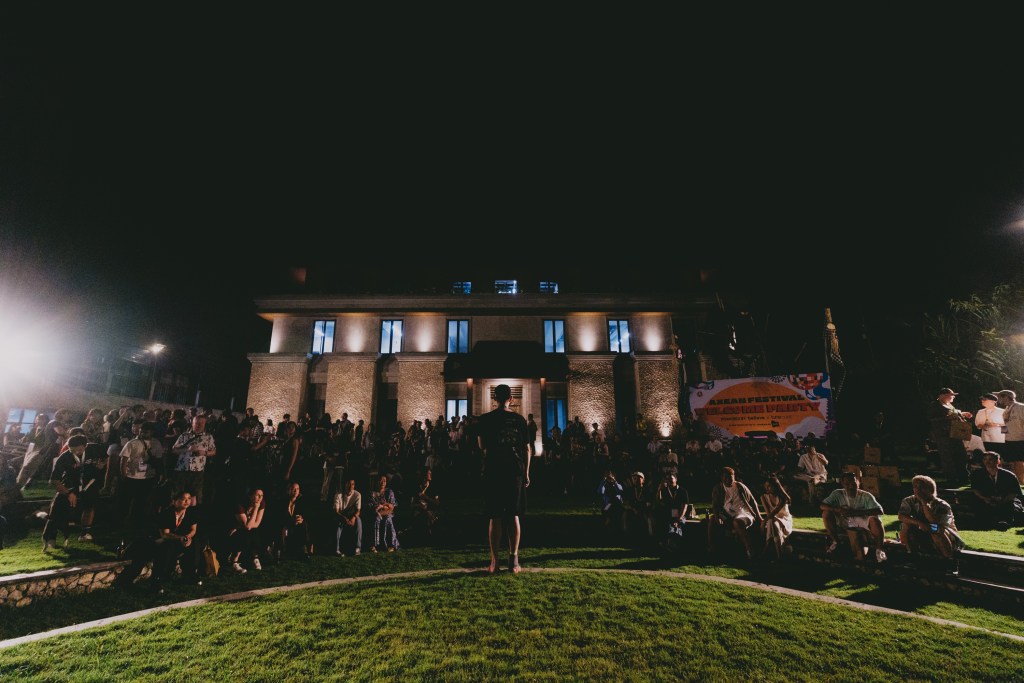
Launched in 2020 by music professionals from across the region, AXEAN began as a virtual showcase during the pandemic before moving to physical editions in Singapore and later Bali. Its purpose has remained consistent: bringing artists and music professionals together in a setting designed to encourage discovery, collaboration and international opportunities.

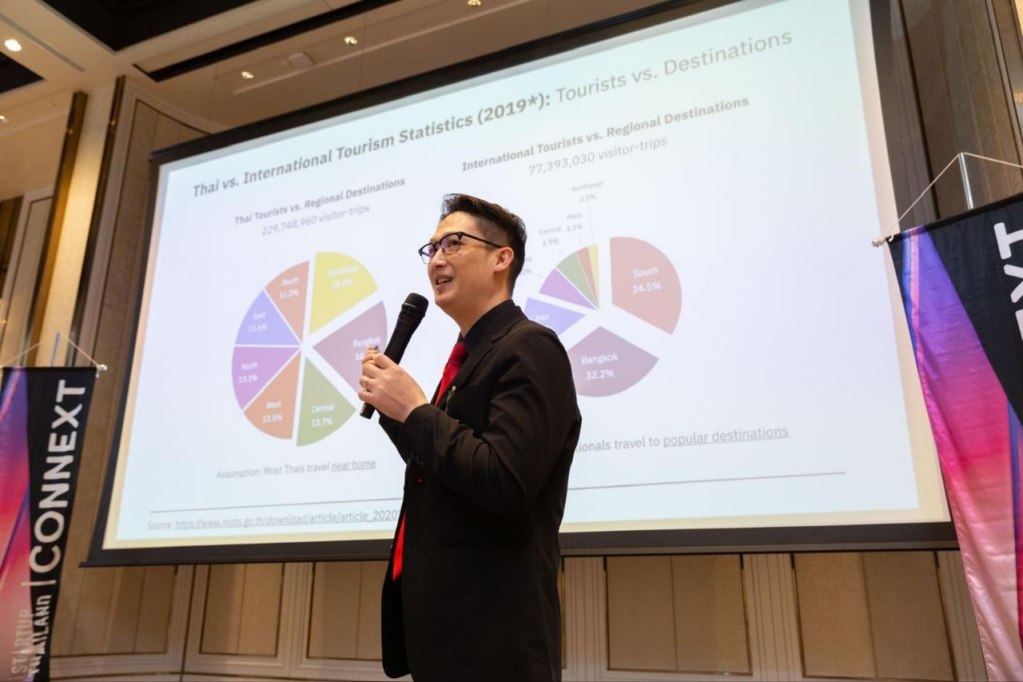
©Piyapong “Py” Muenprasertdee

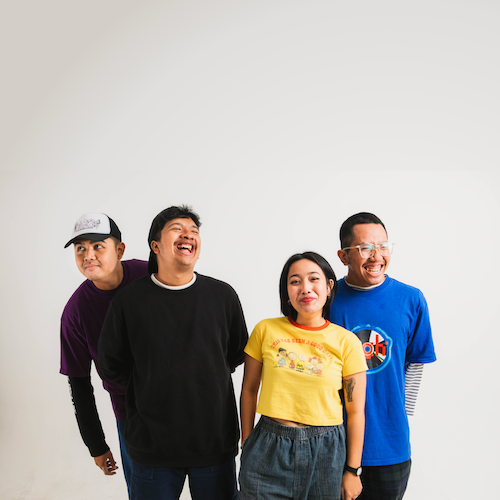
For Piyapong “Py” Muenprasertdee, one of the festival’s nine co-founders and co-organizers, the idea came from years of seeing artists who had the potential to find audiences abroad, but lacked the connections to make that next step.

“We started with artists we believed had export potential, and invited the professionals who had become friends to come see them, and encouraged them to bring these artists into new markets.” (Py)

From Potential to Connection

The story behind AXEAN is partly a story about how music markets have traditionally worked.
Many countries in the region have sizeable domestic audiences and established local industries, but their major players have generally focused on their own markets rather than expanding across borders. At the same time, AXEAN’s founders were coming from grassroots scenes, where they encountered artists who did not necessarily fit the mainstream at home but could appeal to audiences elsewhere.

©AXEAN 2025

The founders also brought something else with them: international relationships. Years spent attending conferences and showcase festivals abroad had allowed them to meet programmers, agents and other professionals interested in discovering new artists. That became the starting point for AXEAN.

“Not booking international headliners was a necessity before it was a choice.” (Py)

Rather than spending its resources bringing established international names to the stage, the festival put its focus on emerging and established artists from the region, and on the professionals who could potentially take their music further. It was a different way of thinking about what a showcase could achieve.

More Than a Showcase

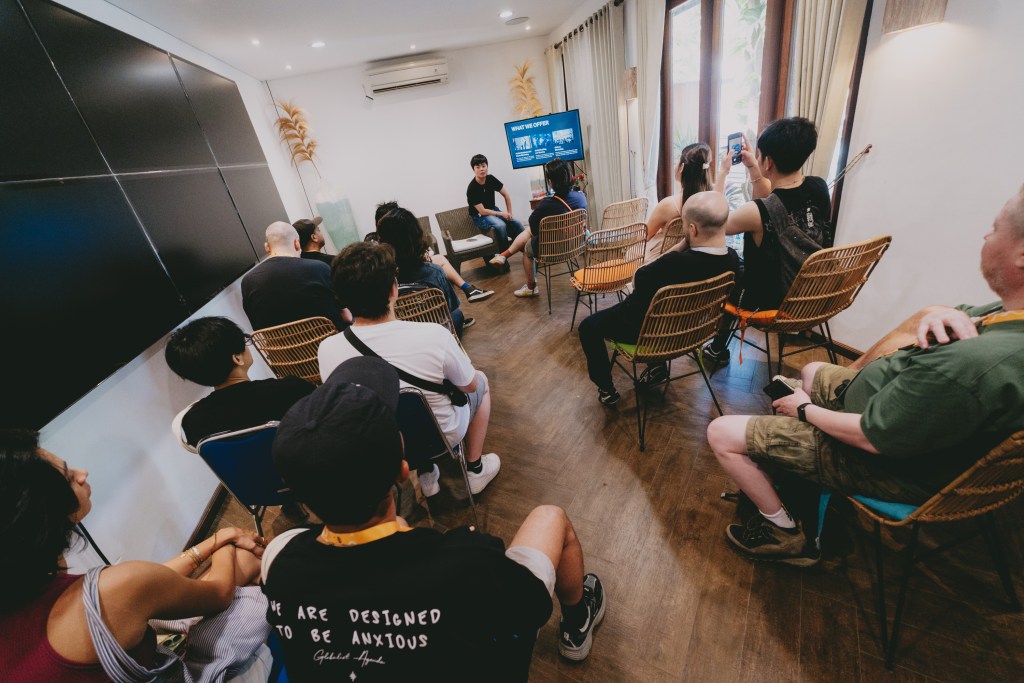
Today, AXEAN describes itself through four connected elements: a showcase festival, a conference, a delegate network and a songwriting camp.

The live performances are therefore only one part of the experience. Around them, the festival brings together people working across different areas of the music business, from festival programmers and promoters to booking agents, labels, managers, media and licensing professionals.

©AXEAN 2025
©AXEAN 2025

This professional focus also influences who gets invited. AXEAN actively seeks delegates with an interest in discovering and working with artists from the region, increasing the possibility that a performance can lead to a concrete conversation afterwards.

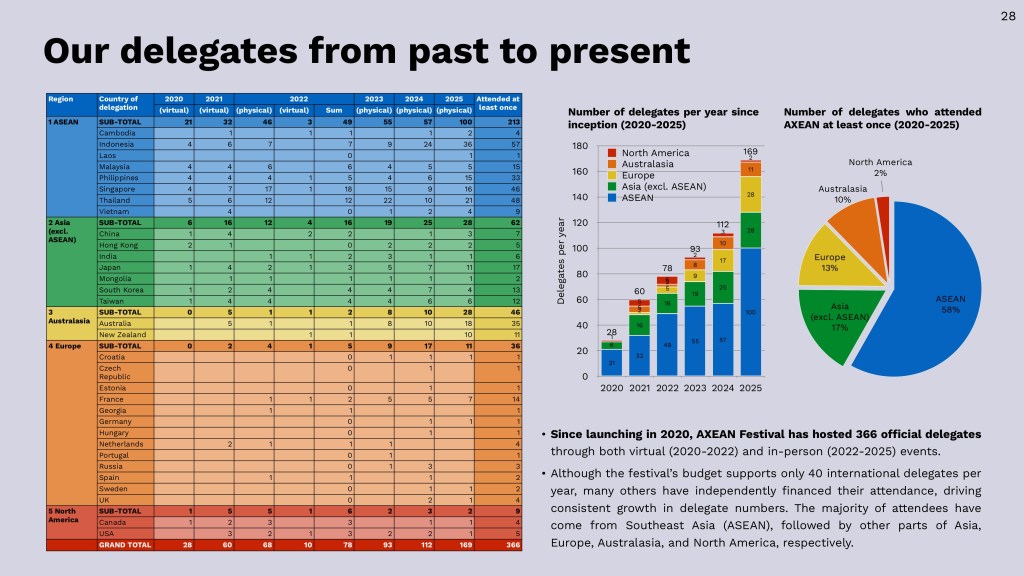
The numbers reflect that ambition. In 2025, the festival presented 46 artists, including 38 from ASEAN, while welcoming more than 169 delegates from 23 countries. Its artist selection process prioritised acts with strong export potential and readiness for international business.

©Post-event report AXEAN 2025

That last point is essential to understanding AXEAN’s approach.

For the festival, being “export-ready” is not simply about having a strong song or an impressive live show. An artist also needs to be prepared for the practical demands that come with an international career.

“We look for artists who are ready and capable of handling the business when the opportunity comes.” (Py)

That means being able to respond professionally, negotiate offers and manage the realities of visas, logistics and budgets. AXEAN therefore looks beyond short-term viral attention, favouring artists who have demonstrated a serious commitment to developing their careers.
The same principle shapes the lineup itself. Each co-organizer nominates artists from their home market, while trusted international partners can also propose acts. The final selection is made collectively, creating a lineup that reflects different countries, genres and perspectives rather than one dominant scene.

When Connections Become Opportunities

The value of a showcase ultimately lies in what happens after the performances. A booking rarely happens immediately after an artist steps off stage. As Py explains, the process can involve months or even years of relationship building, market research and planning. Not every opportunity can be traced back to a single encounter, which is why AXEAN follows up with artists and promoters to identify connections that originated through the festival.

©AXEAN 2025
©AXEAN 2025
©AXEAN 2025
©AXEAN 2025

So far, that process has produced 159 documented export bookings involving 79 alumni artists across 20 countries.

Some examples offer a clear picture of how those connections can develop.

Indonesian band The Panturas and Indian band Jatayu both went on to perform at Fuji Rock in Japan after appearing at AXEAN, with the festival’s booker confirming that he had discovered them there. Bali-based Milledenials were invited to Primavera Pro in Spain, while Morbid Monke, another Bali act, secured a booking at France’s Les Escales after representatives encountered the band at the showcase.

©The Panturas
©Milledenials

The relationship with Les Escales has since continued, with the French festival booking alumni from the programme for three consecutive years. AXEAN has also brought its network directly to Europe, organising a mini showcase and mixer at FOCUS Wales in the UK, where four alumni artists have performed so far.

Then there is the story of VannDa.

Ahead of the Paris 2024 Olympics, a Singaporean delegate connected with a member of the French band Phoenix, who was looking for a Southeast Asian artist for the closing ceremony. The delegate mentioned VannDa, a Cambodian artist he had discovered at AXEAN. VannDa eventually joined the performance.

©Olympic Games – VannDa (2:37:41-2:39:27)

Py does not claim AXEAN made the booking happen. Instead, he sees the story as an example of what the festival can realistically provide: the opportunity for the right people to be in the same room at the right time.

That philosophy extends beyond the festival itself. AXEAN works with public institutions, export programmes, festivals and private companies to create additional pathways for artists. These partnerships can be particularly important because international travel remains one of the biggest barriers for emerging acts trying to reach new markets.

For a region whose music scenes have often developed separately, that may be the most important opportunity of all: not becoming one single market, but becoming better connected.

This article is based on materials and local industry insights provided by Piyapong Muenprasertdee as part of the Across the SEA media collaboration project curated by Las Olas Agency.
*Piyapong Muenprasertdee — Co-founder of Fungjai, Bangkok Music City and AXEAN Festival.

error: Content is protected !!
Retour en haut