
With Painkiller, Owoon embraces vulnerability over perfection, offering a raw glimpse into who he is at the very start of his new journey.
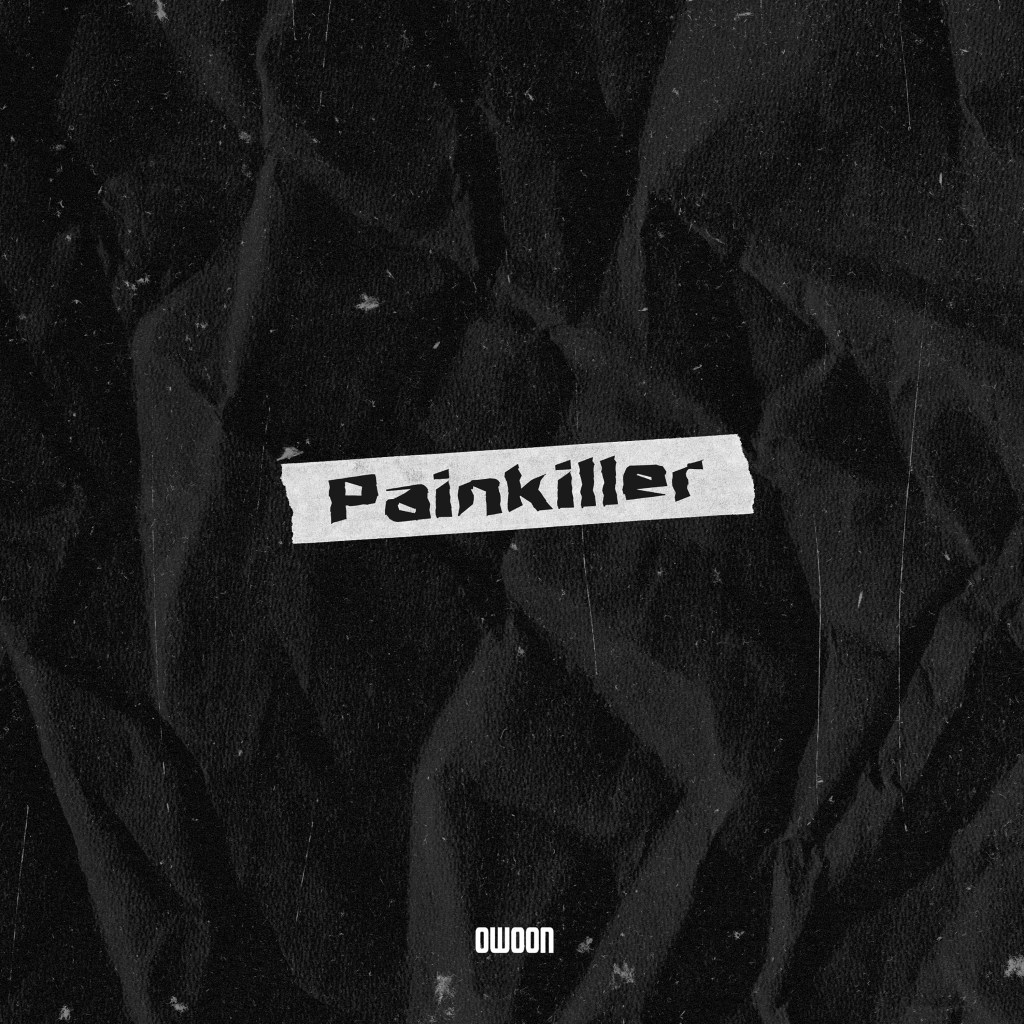
After going through survival programs and group activities, Owoon now introduces himself on his own terms. His debut EP Painkiller is not a statement of arrival, but rather a snapshot of who he is today. Through his emotions and honest storytelling, the artist invites listeners into a space where imperfection is not only accepted, but acknowledged.

Where the Journey Begins
Before diving into the interview, it’s important to understand what this EP represents. Far from a refined debut designed to define his artistic identity, this release reflects a moment of transition. For Owoon, this project is less about answers and more about questions, an exploration of emotions, resilience, and the courage to simply begin. It’s not about defining who he is, but about allowing himself to exist in uncertainty.
Léane: For people who are discovering you for the first time: How would you introduce yourself as an artist, beyond labels like “former group member” or “solo debut”?
Owoon: I wouldn’t describe myself with grand or flashy words. I would simply say that I’m someone who expresses and delivers emotions on stage. I create my music on my own, and through it, I try to honestly reveal the feelings I experience. Rather than presenting myself as someone perfect, I choose to show my instability, my doubts, and the parts of me that are still growing.
If even one person listens to my music and thinks, “I’m not the only one who feels this way,” then that is more than enough for me.
Léane: After experiencing the uncertainty of survival programs and group activities, what did you learn about yourself that you couldn’t have learned any other way?
Owoon: Going through survival programs and group activities taught me that I’m someone who has learned to endure uncertainty.
There were many moments when effort didn’t guarantee results, and things moved in directions I couldn’t control. In those situations, I realized that protecting my own identity mattered more than seeking external validation.
I learned that I can be shaken, but I always find a way to stand back up.
Léane: Your first EP was released in early February 2026. What does this project represent for you at this specific moment of your life?
Owoon: For me, Painkiller is less about being a first EP and more about documenting who I am right now. It captures a version of me that is still questioning and still trying to find balance, rather than someone who is already fully formed. Instead of defining my « color » as an artist, this album was about confronting my honest self.
I don’t see it as the beginning of everything, but more like standing at the starting line.
Léane: Why did you choose the title Painkiller?
Owoon: I chose the title Painkiller intentionally because I didn’t want to suggest that everything was healed.
For me, music isn’t a cure. It doesn’t erase the pain. It’s something that helps me endure it and carry it. This album isn’t a declaration that I’m completely okay. It’s proof that I’m still standing, even with the pain.
Léane: If someone listens to your music without knowing anything about you, what is the one feeling or thought you hope they walk away with?
Owoon: They don’t have to feel completely okay or have everything figured out.
I just hope they can see it as part of the process.
Léane: You’ve mentioned WOODZ as a role model. Not necessarily in terms of sound, but in emotional honesty, how important is it for you to show vulnerability through your music?
Owoon: Showing vulnerability in my music is very important to me. It’s not about being perfect or polished, but about being honest with my emotions. I want listeners to feel that they’re not alone in their own struggles, and that the emotions I express are genuine reflections of what I’m going through.
WOODZ’s emotional honesty inspired me to embrace the same approach: being open, imperfect, and authentic in my music.
Understanding Through Writing
Beyond the album itself, Owoon’s artistry lies in his introspection. His music feels almost like a diary, where confusion turns into clarity through words and melodies. In this second part, he reflects on his creative process, the challenges he faces, and how his music becomes both a mirror and a record of his inner world.
Léane: Your songs often feel very introspective, almost confessional. When you write, are you trying to understand yourself better, or simply to express what you can’t say out loud?
Owoon: When I write, it feels less like a confession and more like calmly organizing the confusion inside me. Sometimes writing lyrics helps my emotions become clearer. For me, songwriting is a process of understanding myself and finding balance.
Léane: Which song from Painkiller represents your creative identity the most, whether in the writing process or in the final result?
Owoon: That’s a difficult question, but I’d say track 2, Euphoria.
Sometimes there are songs I struggle with for days that never quite feel complete. Other times, a song comes together in a single day when I’m fully immersed in a specific emotion, and everything from the lyrics to the overall structure flows naturally. I think those songs reflect how I truly felt in that moment. Euphoria was one of them, which is why it represents my creative identity the most.
Léane: During the creative process, which part is the most difficult for you : writing the lyrics, recording your voice, or the release?
Owoon: For me, the most difficult part is recording my voice. I have to convey emotions through my voice, and with this album I felt a lot of pressure about that. It made me realize that I still have a lot to work on. I think that experience pushed me to express those emotions more truthfully.
Léane: Do you see your music more as a mirror of who you are right now?
Owoon: Yes, I see my music as both a mirror and a record. It reflects who I am in that moment and documents what I was going through. When I listen back, I can see exactly where I stood in my life at that time.
Léane: Any last words? Future projects, something you want to share?
Owoon: I’m just standing at the starting line now. I hope more people will discover my story through my music in the future, and I’ll keep working hard to make that happen.
More than a debut, Painkiller feels like a quiet beginning. Owoon doesn’t claim to have everything figured out and that is precisely where his strength lies. In choosing honesty over perfection, he creates space for listeners to recognize themselves in his music. Standing at the starting line, he isn’t promising certainty, but something far more real: the courage to keep going.
Thank you to Owoon for accepting this interview.